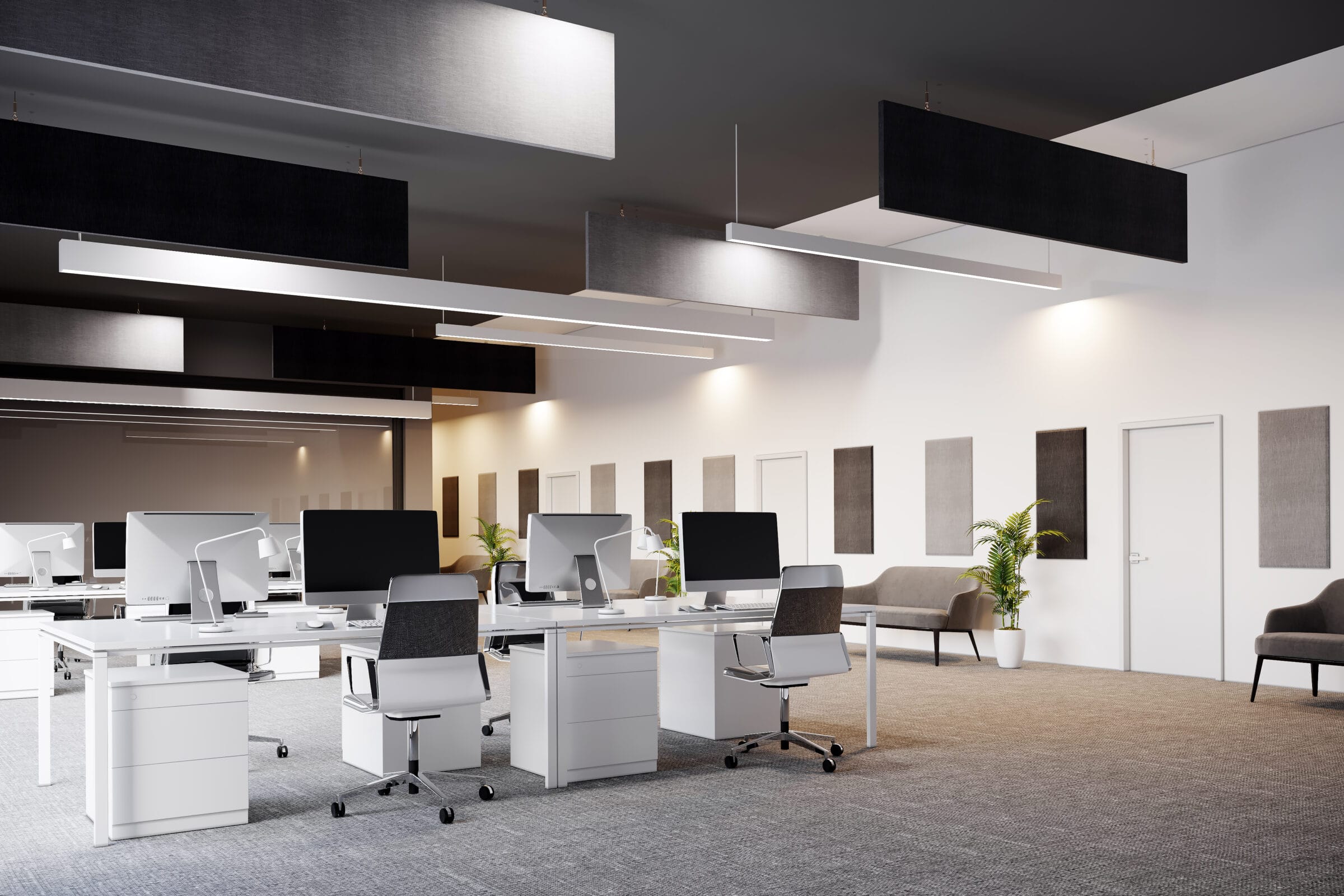
In today’s fast-paced and noise-filled environments, managing sound has become more important than ever. Whether in homes, offices, studios, schools, or commercial spaces, excessive noise and echo can negatively affect comfort, productivity, and communication. Sound panels are an effective acoustic solution designed to improve sound quality, reduce noise levels, and create a more balanced auditory environment. With modern designs and advanced materials, sound panels are not only functional but also visually appealing, making them a popular choice in contemporary interior design.
Sound panels, also known as acoustic panels, are specially engineered materials that absorb sound waves and minimize reflections within a space. Unlike soundproofing, which aims to block sound transmission between rooms, sound panels focus on enhancing internal acoustics by reducing echo and reverberation. This makes them ideal for improving speech clarity, audio quality, and overall acoustic comfort in various environments.
What Are Sound Panels?
Sound panels are acoustic treatments designed to absorb sound energy and reduce unwanted noise reflections. When sound waves hit hard surfaces such as walls, ceilings, glass, or concrete, they bounce back into the room, creating echoes and reverberation. Sound panels work by capturing these sound waves through their porous structure, converting sound energy into small amounts of heat and preventing excessive reflection.
These panels are typically made from materials such as foam, fiberglass, mineral wool, wood, or polyester fiber. Each material has unique acoustic properties that target different sound frequencies. Sound panels can be mounted on walls, ceilings, or used as decorative acoustic features, offering flexibility in both design and installation.
Importance of Sound Panels in Modern Spaces
Noise pollution is a growing concern in urban living and modern workspaces. Open-plan offices, apartment living, restaurants, and public facilities often suffer from high noise levels that affect concentration and communication. Sound panels provide a practical and efficient solution to control noise and create a more peaceful environment.
In residential spaces, sound panels improve the listening experience in home theatres, music rooms, and living areas. In commercial settings, they help reduce distractions, enhance productivity, and improve customer experience. Educational institutions benefit from clearer speech and better learning environments, while healthcare facilities use sound panels to maintain quiet and calming surroundings for patients.
Key Benefits of Sound Panels
1. Noise Reduction
One of the primary advantages of sound panels is their ability to significantly reduce noise levels. By absorbing sound waves, they minimize echoes and background noise, making spaces quieter and more comfortable.
2. Improved Acoustic Quality
Sound panels enhance sound clarity by controlling reverberation and echo. This is especially important in conference rooms, auditoriums, recording studios, and classrooms where clear audio is essential.
3. Enhanced Productivity and Focus
Excessive noise can lead to stress and reduced efficiency, particularly in workplaces. Installing sound panels creates a calmer environment that supports concentration and better workflow.
4. Aesthetic Appeal
Modern sound panels come in various colors, shapes, textures, and designs. They can be customized to match interior décor while serving an important acoustic function, making them both stylish and practical.
5. Easy Installation and Maintenance
Most sound panels are lightweight and easy to install on walls or ceilings. They require minimal maintenance and can be cleaned or replaced without significant effort.
Types of Sound Panels
There are several types of sound panels available, each designed for different acoustic needs and design preferences.
Fabric-Wrapped Sound Panels
Fabric-wrapped panels are widely used in offices, studios, and commercial environments. They consist of an acoustic core covered with decorative fabric, providing excellent sound absorption along with a clean and professional appearance.
Foam Acoustic Panels
Foam panels are commonly used in recording studios and home theatres. Their unique wedge, pyramid, or grid designs increase surface area, allowing them to effectively absorb mid and high-frequency sounds.
Wooden Acoustic Panels
Wooden sound panels combine acoustic performance with elegant design. They are often used in luxury interiors, conference rooms, and auditoriums where both sound control and aesthetics are important.
Polyester Fiber Panels
Eco-friendly and durable, polyester fiber panels are made from recycled materials and offer strong sound absorption. They are popular in modern offices and educational institutions due to their sustainability and versatility.
Ceiling Sound Panels
Ceiling-mounted panels are ideal for large or open spaces where sound reflections from above are a concern. They help control reverberation and improve overall acoustic balance in areas such as offices, restaurants, and lecture halls.
Applications of Sound Panels
Sound panels are versatile and can be used in a wide range of environments to improve acoustics and reduce noise.
Residential Applications
In homes, sound panels are used in living rooms, bedrooms, gaming rooms, and home theatres to enhance sound quality and reduce noise disturbances. They create a more relaxing and enjoyable atmosphere for entertainment and daily living.
Office and Corporate Spaces
Open-plan offices often experience high noise levels from conversations, phone calls, and equipment. Sound panels help create quieter workspaces, improve communication, and boost employee productivity.
Recording Studios and Media Rooms
Professional recording studios rely heavily on sound panels to control reflections and achieve accurate sound recording and monitoring. They eliminate unwanted echoes and improve audio precision.
Educational Institutions
Schools, colleges, and training centers benefit from sound panels by improving speech intelligibility and reducing distractions. Better acoustics support effective teaching and learning.
Restaurants and Hospitality Venues
Busy restaurants and hotels can become noisy due to crowd chatter and background music. Sound panels reduce ambient noise, allowing guests to enjoy a more comfortable and pleasant experience.
Healthcare Facilities
Hospitals and clinics require quiet environments to promote healing and clear communication. Sound panels help minimize noise in waiting areas, patient rooms, and corridors.
Factors to Consider When Choosing Sound Panels
Selecting the right sound panels involves understanding your acoustic needs and space requirements. The size and layout of the room play a significant role in determining the number and placement of panels. Larger spaces may require a combination of wall and ceiling panels for optimal performance.
Material quality is another crucial factor. High-density materials such as fiberglass and mineral wool provide superior sound absorption compared to lower-density alternatives. Additionally, consider the design and color of the panels to ensure they complement your interior aesthetics.
Budget and performance ratings, such as the Noise Reduction Coefficient (NRC), should also be evaluated. Panels with higher NRC ratings offer better sound absorption and improved acoustic results.
Installation Tips for Maximum Effectiveness
Proper installation is essential to maximize the performance of sound panels. Panels should be placed on reflective surfaces where sound waves are most likely to bounce, such as walls opposite speakers or large empty surfaces. Strategic placement at ear level and first reflection points can significantly improve acoustic clarity.
It is also recommended to distribute panels evenly across the room rather than concentrating them in one area. Combining sound panels with other acoustic treatments like carpets, curtains, and acoustic ceilings can further enhance sound control.
For larger or professional spaces, consulting an acoustic specialist can help determine the optimal placement and quantity of panels for the best results.
Future Trends in Sound Panel Design
As interior design and acoustic technology continue to evolve, sound panels are becoming more innovative and customizable. Modern designs now feature 3D textures, artistic prints, and modular configurations that blend seamlessly with contemporary interiors.
Sustainable and eco-friendly sound panels made from recycled and biodegradable materials are gaining popularity among environmentally conscious homeowners and businesses. Smart acoustic panels integrated with lighting and architectural elements are also emerging as a trend in modern workspace and commercial design.
Conclusion
Sound panels are an essential solution for improving acoustics, reducing noise, and enhancing comfort in various environments. From residential homes and offices to studios and commercial spaces, they provide an effective way to manage sound reflections and create a more balanced auditory experience.
By choosing the right type of sound panel, ensuring proper placement, and considering both functionality and aesthetics, you can transform any noisy space into a quieter, more productive, and acoustically optimized environment. As the demand for better acoustic solutions continues to grow, sound panels will remain a key component in designing modern, comfortable, and sound-controlled spaces.