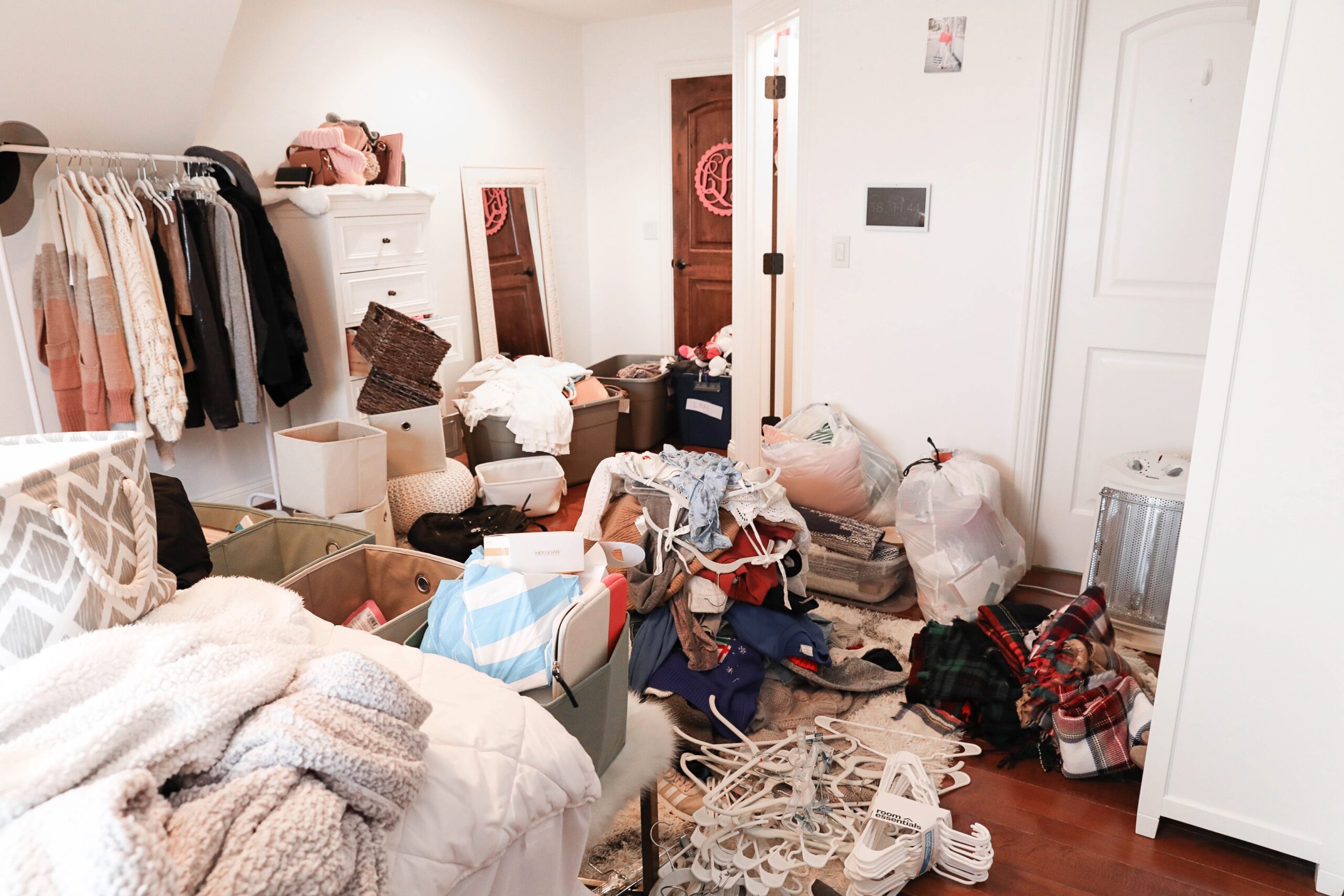
A clutter-free home can make everyday life easier, create more usable space, and simplify cleaning and household maintenance. However, decluttering an entire property can feel overwhelming, particularly when cupboards, spare rooms, lofts, and garages have accumulated years of belongings. The easiest way to get started is to work through one room at a time, using a practical checklist to decide what to keep, donate, recycle, or dispose of.
For UK households, decluttering can also help prepare a property for moving, renovation, spring cleaning, or a change in family circumstances. Whether you live in a terraced house, a semi-detached property, a flat, or a larger family home, a structured approach makes the process more manageable. Visit: https://junkbusters.co.uk
This room-by-room decluttering checklist will help you organise your home without attempting everything in a single day.
1. Start with a Simple Decluttering Plan
Before opening cupboards or emptying drawers, decide which areas need the most attention. Begin with one room or a small section rather than tackling the entire house at once.
Prepare four categories for your belongings:
- Keep: Items you use regularly, genuinely value, or need.
- Donate or sell: Useful items in good condition that someone else could use.
- Recycle: Materials accepted by your local recycling service or an appropriate recycling facility.
- Dispose of: Items that cannot reasonably be reused or recycled.
Avoid moving unwanted items from one room to another without making a decision. This can simply transfer clutter rather than solve the problem.
Check your local council’s website for information about household recycling, bulky waste collections, and household waste recycling centres. Rules vary between councils, particularly for electrical equipment, furniture, mattresses, and certain specialist materials.
2. Hallway and Entrance
The hallway is often the first place visitors see, but it can quickly become crowded with shoes, coats, bags, and parcels.
- Remove shoes that no longer fit or are no longer worn.
- Sort coats, jackets, scarves, hats, and gloves.
- Donate suitable clothing that nobody in the household needs.
- Recycle or dispose of unwanted paper packaging appropriately.
- Organise keys, mail, and everyday essentials.
- Remove broken umbrellas and damaged accessories.
- Clear walkways and access to doors.
Use a shoe rack, wall hooks, or a small storage bench to keep frequently used items organised. Keeping the entrance clear also makes it easier to move furniture and carry shopping into the home.
3. Living Room
Living rooms often collect magazines, remote controls, decorative objects, toys, cables, and items that belong elsewhere.
- Sort magazines, newspapers, catalogues, and old paperwork.
- Remove decorative items that no longer suit the room.
- Organise television remotes, chargers, and cables.
- Review books, games, DVDs, and other entertainment items.
- Remove broken ornaments and unusable accessories.
- Sort blankets, cushions, and spare throws.
- Return misplaced belongings to their proper rooms.
- Clear coffee tables and side tables.
Consider using baskets for frequently used items and a designated drawer for remotes and accessories. Keep only the books, games, and decorations you have space for and genuinely want to retain.
4. Kitchen and Dining Area
Kitchens can become cluttered because they combine food storage, cooking equipment, small appliances, cleaning products, and everyday paperwork.
- Check cupboards for expired or unwanted food.
- Review tins, jars, spices, and dry ingredients.
- Dispose of spoiled food safely.
- Match food storage containers with their lids.
- Remove chipped, damaged, or unnecessary kitchenware.
- Review duplicate utensils and cooking tools.
- Sort mugs, glasses, plates, and cutlery.
- Clear worktops of unused appliances.
- Organise cleaning products safely.
- Remove unwanted paperwork from the dining table.
Keep everyday ingredients and utensils within easy reach. Store occasional baking equipment and seasonal serving dishes elsewhere if cupboard space is limited.
For food, cleaning products, and electrical appliances, follow the manufacturer’s safety instructions and local disposal guidance. Do not pour unsuitable chemicals or oils down household drains.
5. Bedroom
Bedrooms should support rest and provide practical storage for clothing and personal belongings. Wardrobes and bedside tables are useful places to begin.
<text weight=”medium”>Bedroom decluttering checklist</text>
- Sort clothing by type and season.
- Identify garments that no longer fit your needs.
- Separate wearable clothing for donation or resale.
- Check socks, accessories, and underwear.
- Review handbags, belts, and jewellery.
- Clear bedside tables and drawers.
- Sort books, chargers, and personal items.
- Remove unnecessary packaging and empty boxes.
- Review spare bedding and blankets.
- Keep the floor and main walking areas clear.
Avoid making decisions too quickly about sentimental belongings. Put these items in a separate category and review them later when you have more time.
6. Bathroom
Bathrooms can accumulate nearly empty toiletries, old cosmetics, duplicate products, and cleaning supplies.
<text weight=”medium”>Bathroom decluttering checklist</text>
- Check expiry dates and condition of toiletries.
- Remove products you no longer use.
- Dispose of medicines through an appropriate pharmacy or local take-back scheme.
- Sort towels, flannels, and bath mats.
- Remove empty bottles and packaging.
- Organise cleaning products securely.
- Clear unnecessary items from shelves and surfaces.
- Check the cupboard beneath the sink.
Keep products in suitable storage away from children and pets. Follow label instructions when disposing of cosmetics, medicines, and cleaning products, as they should not all be treated as ordinary household waste.
7. Home Office or Study
Working from home can generate paperwork, cables, stationery, computer accessories, and outdated equipment.
<text weight=”medium”>Home office decluttering checklist</text>
- Sort paperwork into action, archive, and recycling categories.
- Shred confidential documents that are no longer needed.
- Organise stationery and office supplies.
- Identify unused printers, keyboards, and accessories.
- Label essential chargers and cables.
- Clear the desk and surrounding floor.
- Back up important digital files.
- Review old electronics for reuse or recycling.
Do not discard financial, legal, tax, or other important records without checking whether you need to retain them. Wipe personal data from computers and storage devices before passing them on for reuse or recycling.
8. Children’s Rooms and Play Areas
Children’s rooms can become cluttered as toys, books, clothing, and interests change.
- Sort toys into keep, donate, and discard categories.
- Remove broken toys and unsafe items.
- Review books, puzzles, and board games.
- Sort clothing by current use and season.
- Organise craft materials and stationery.
- Remove packaging and unwanted party supplies.
- Create accessible storage for everyday toys.
Where appropriate, involve children in choosing what to keep. Donate toys only when they are suitable for reuse, and check that items are complete and safe.
9. Spare Room, Loft, and Garage
Storage spaces often become the final destination for belongings that have not been sorted elsewhere. They can contain old furniture, unused equipment, seasonal decorations, boxes, and forgotten household items.
- Open boxes and identify their contents.
- Label items that are being kept.
- Review old furniture and unused household equipment.
- Sort seasonal decorations and camping gear.
- Identify usable items for donation or sale.
- Separate wood, metal, cardboard, and other recyclable materials.
- Check for damaged items and unwanted packaging.
- Keep access routes and exits clear.
- Arrange safe handling for he