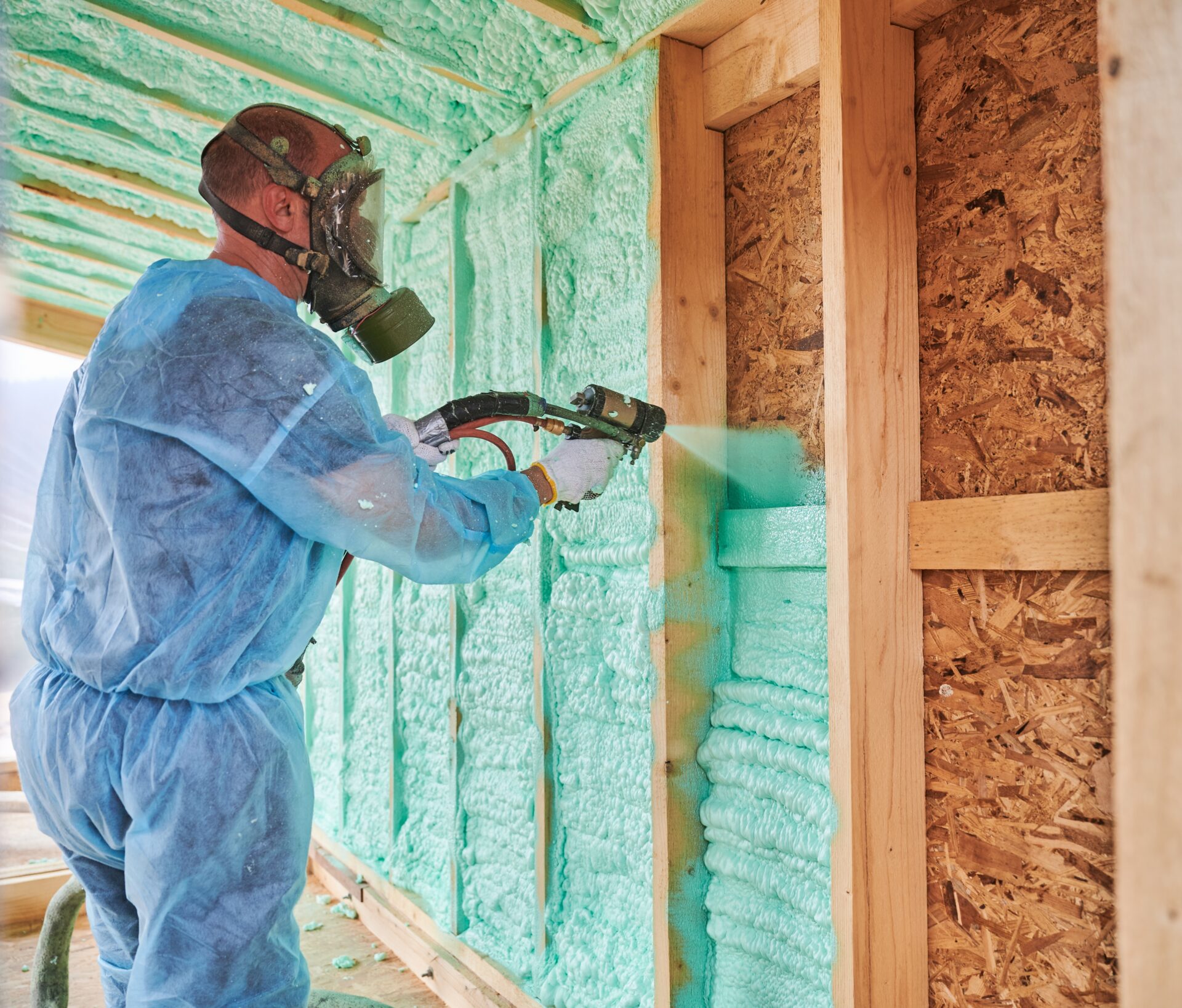
A comfortable home depends on more than attractive furniture, modern appliances, and stylish décor. The condition of the building envelope also plays an important role in maintaining comfortable indoor temperatures throughout the year. Poorly insulated walls can allow heat to escape during colder months and unwanted heat to enter during warmer periods. Spray foam wall insulation offers one option for improving the thermal performance of walls while also helping reduce drafts and unwanted air movement.
Spray foam insulation is applied as a liquid that expands and hardens, filling gaps and creating an insulating layer. When professionally installed in appropriate wall cavities and building assemblies, it can provide effective thermal insulation and air sealing. Understanding how it works, its potential advantages, and the factors involved in installation can help homeowners make informed decisions.
What Is Spray Foam Wall Insulation?
Spray foam insulation is a material that expands after being applied to a surface. It is generally made from chemical components that react to create a foam structure. Depending on the product, spray foam may be designed to provide insulation, air sealing, or both.
There are two common categories: open-cell and closed-cell spray foam. Open-cell foam has a more flexible structure and expands significantly, while closed-cell foam is denser and provides a higher insulating value per unit of thickness.
The appropriate type depends on the wall construction, available space, moisture considerations, building regulations, and the goals of the project. Professional assessment is therefore important before selecting a specific product.
How Spray Foam Insulates Walls
Traditional insulation materials work primarily by slowing the movement of heat through the building envelope. Spray foam can perform this function while also expanding into small spaces and sealing certain air gaps.
When applied correctly, the foam can form a continuous layer within suitable wall cavities. This can reduce areas where air might otherwise move through cracks or gaps around building components.
Air leakage can contribute to uncomfortable drafts and energy loss. By addressing suitable gaps as part of an insulation project, spray foam may help create a more consistent indoor environment.
However, insulation performance depends on the complete wall assembly. Installation quality, thickness, moisture management, windows, doors, floors, ceilings, and ventilation all influence the overall efficiency of a property.
Improving Indoor Comfort
One of the main reasons homeowners investigate wall insulation is comfort. Rooms with poorly insulated external walls may feel colder during winter, particularly near exterior surfaces.
Improved insulation can help reduce temperature differences between interior surfaces and the rest of the room. This can make living spaces feel more comfortable and reduce noticeable cold spots.
During warmer weather, effective insulation can also help slow the transfer of outdoor heat into the home. While insulation does not replace appropriate ventilation or cooling systems, it can form an important part of an overall approach to managing indoor temperatures.
Potential Energy Savings
Heating and cooling can represent a significant portion of household energy consumption. If a building loses heat quickly through inadequately insulated walls, a heating system may need to operate more frequently to maintain the desired temperature.
Improving insulation can reduce heat transfer through the insulated areas. This may allow a heating or cooling system to maintain indoor conditions with less effort, potentially supporting lower energy consumption.
Actual savings vary considerably from one property to another. Factors such as existing insulation, property size, construction type, climate, heating system, occupancy patterns, and air leakage all affect the final results.
For this reason, spray foam should be viewed as one component of a broader energy-efficiency strategy rather than a guaranteed way to achieve a specific reduction in energy bills.
Reducing Drafts and Air Leakage
Insulation and air sealing are closely related but are not exactly the same thing. Conventional insulation can slow heat transfer, while air sealing focuses on limiting uncontrolled air movement through gaps.
Spray foam can be useful in situations where sealing suitable gaps is part of the installation approach. By expanding into spaces, it can help reduce certain forms of unwanted air movement.
Reducing drafts may make rooms feel more comfortable, particularly around external walls and other areas where air leakage has previously been noticeable.
A professional installer should identify appropriate locations for air sealing while ensuring that necessary ventilation systems and building functions are not blocked.
Open-Cell and Closed-Cell Options
Choosing between open-cell and closed-cell spray foam requires consideration of the property’s construction.
Open-cell foam is lighter and expands more extensively. It can be suitable for certain interior applications where greater expansion is beneficial.
Closed-cell foam is denser and generally provides a higher insulating value per inch. It can also offer additional resistance to moisture movement in appropriate applications.
Neither option is automatically best for every home. The correct product depends on the specific wall assembly and project requirements. Homeowners should discuss the differences with a qualified professional before installation.
Professional Installation Matters
Spray foam installation requires specialist equipment, appropriate preparation, and careful application. The material expands rapidly, so installers need to understand how much product should be applied and where it should be placed.
A professional assessment can also identify issues that should be addressed before insulation is installed. Existing moisture problems, damaged walls, leaks, inadequate ventilation, or unsuitable substrates may need attention first.
Correct installation is important because insulation should work as part of the building system. Simply filling a cavity without considering moisture, ventilation, electrical components, and other construction details may create problems.
Experienced installers can evaluate these factors and follow relevant product instructions and building requirements.
Moisture and Ventilation Considerations
Wall insulation should always be considered alongside moisture management. Water leaks, condensation, and trapped moisture can contribute to building damage if not properly addressed.
Before installing spray foam, it is important to understand how moisture moves through the existing wall assembly. The appropriate insulation approach can vary depending on whether the walls are masonry, timber-framed, or constructed using another method.
Ventilation is also important. A well-insulated home still needs adequate ventilation to maintain good indoor air quality and manage moisture generated by everyday activities such as cooking, bathing, and drying clothes.
Insulation should therefore be part of a balanced approach to building performance.
Preparing for a Spray Foam Project
Homeowners considering spray foam wall insulation should begin with an assessment of the property. Determine which walls require improvement and identify the existing insulation condition.
Ask installers about the type of foam they recommend, expected thickness, preparation requirements, installation procedure, ventilation requirements, and applicable warranties.
It is also useful to obtain more than one quotation and compare the scope of work rather than simply choosing the lowest price. A detailed quotation should explain what areas will be insulated and what preparation or finishing work is included.
Long-Term Benefits
A well-planned insulation upgrade can provide benefits beyond immediate comfort. Improving the thermal performance of a property can make indoor temperatures easier to manage and potentially reduce reliance on heating and cooling systems.
A properly installed insulation system can also contribute to the overall durability and performance of the building envelope when moisture and ventilation requirements have been addressed appropriately.
Regular inspection of the property remains important. If leaks, structural changes, or other building problems develop, they should be addressed promptly.
Conclusion
Spray foam wall insulation can be an effective option for homeowners seeking to improve the thermal performance and comfort of their properties. Its ability to expand into suitable spaces and provide insulation and air sealing makes it different from many traditional insulation materials.
However, successful results depend heavily on choosing the appropriate product and applying it correctly. Wall construction, moisture management, ventilation, insulation thickness, and professional workmanship all need to be considered before installation.
For homeowners exploring insulation improvements, a professional assessment can provide a clearer understanding of whether spray foam is suitable for the property. When properly planned and installed as part of a complete building strategy, spray foam wall insulation can contribute to a warmer, more comfortable, and potentially more energy-efficient home.