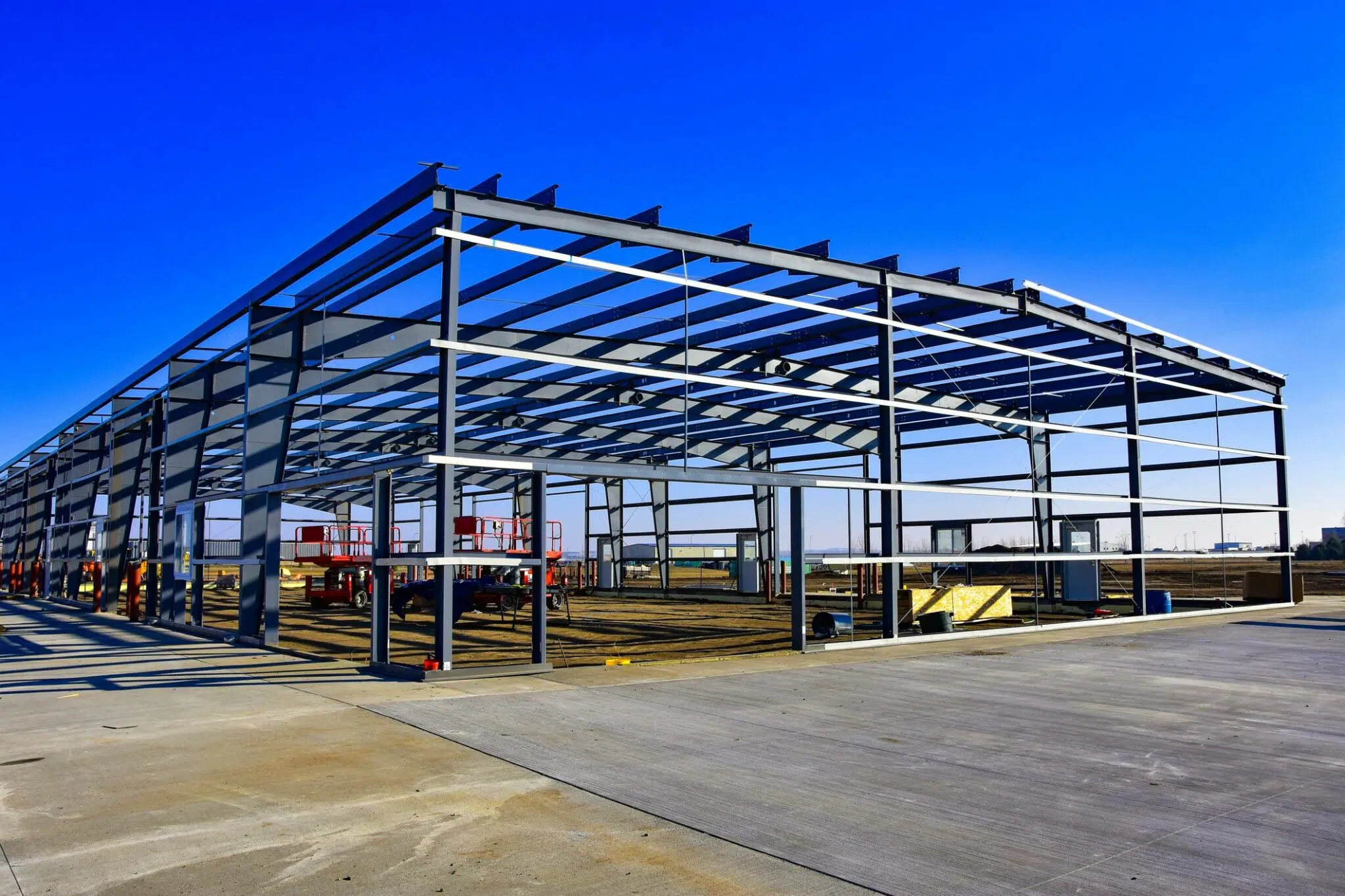
The construction industry has evolved significantly over the years, offering property owners more choices than ever before. While traditional wood and concrete structures have long been the standard, metal construction has become increasingly popular for residential, commercial, industrial, and agricultural applications. Many people are discovering the advantages that steel buildings kits and other metal structures offer compared to conventional construction methods. From durability and cost savings to energy efficiency and design flexibility, metal buildings provide numerous benefits that make them an attractive option for modern projects.
Superior Strength and Durability
One of the biggest advantages of metal buildings is their exceptional strength. Unlike traditional wood structures that can warp, crack, or deteriorate over time, steel buildings are designed to withstand harsh environmental conditions and provide long-lasting performance.
Metal buildings are resistant to:
- High winds
- Heavy snow loads
- Earthquakes
- Moisture damage
- Rot and decay
- Termite infestations
This durability helps property owners avoid costly repairs and extends the lifespan of the structure.
Lower Maintenance Requirements
Traditional buildings often require regular maintenance to prevent issues such as mold, pests, and wood deterioration. Metal structures require significantly less upkeep, making them a cost-effective choice over the long term.
Steel buildings do not suffer from:
- Wood rot
- Insect damage
- Warping
- Splitting
- Cracking
Because of their resistance to many common problems, owners spend less time and money on maintenance and repairs.
Faster Construction Times
Time is an important factor in any construction project. Traditional construction methods can be time-consuming due to material preparation, weather delays, and labor requirements.
Metal buildings are typically manufactured in advance and delivered as pre-engineered components. This streamlined process offers several advantages:
- Faster assembly
- Reduced labor costs
- Fewer construction delays
- Quicker project completion
For businesses and property owners, shorter construction times can translate into significant savings and faster occupancy.
Cost Efficiency
Budget considerations play a major role when choosing a building system. Steel buildings often provide better overall value compared to traditional construction.
Cost-saving benefits include:
- Lower material waste
- Reduced labor expenses
- Minimal maintenance costs
- Faster installation
- Longer lifespan
Although initial costs may vary depending on design and size, the long-term savings associated with metal buildings make them an appealing investment.
Excellent Energy Efficiency
Modern metal buildings can be designed with advanced insulation systems that improve energy performance and reduce utility costs.
Energy-efficient features may include:
- Insulated wall panels
- Reflective roofing materials
- Thermal barriers
- High-performance windows
These features help maintain comfortable indoor temperatures throughout the year while lowering heating and cooling expenses.
Environmentally Friendly Construction
Sustainability has become increasingly important in the construction industry. Steel buildings are often considered environmentally responsible because steel is one of the most recyclable materials available.
Environmental benefits include:
- Reduced waste
- Recyclable materials
- Lower energy consumption
- Efficient manufacturing processes
- Long-lasting performance
Many steel components contain recycled content, making metal buildings a greener alternative to traditional construction methods.
Flexible Design Options
Some people mistakenly assume that metal buildings are limited in appearance or functionality. In reality, modern steel buildings offer remarkable design flexibility.
They can be customized for:
- Homes
- Garages
- Warehouses
- Retail stores
- Agricultural facilities
- Workshops
- Offices
- Recreational spaces
Various finishes, colors, roofing styles, and layouts allow property owners to create structures that meet their aesthetic and functional preferences.
Increased Interior Space
Traditional buildings often rely on interior support walls and columns that limit usable space. Steel buildings can span large distances without requiring numerous support structures.
Benefits include:
- Open floor plans
- Greater storage capacity
- Improved workflow
- Easier equipment placement
- Flexible layouts
This versatility is particularly valuable for commercial and industrial applications.
Fire Resistance
Safety is a major concern for any property owner. Unlike wood-framed structures, steel buildings are non-combustible and offer greater fire resistance.
This provides several advantages:
- Reduced fire risks
- Enhanced occupant safety
- Potential insurance savings
- Improved structural integrity
Fire resistance is one of the reasons why many businesses choose metal construction for warehouses and manufacturing facilities.
Pest Resistance
Wood structures are vulnerable to termites, rodents, and other pests that can cause extensive damage over time. Steel buildings eliminate many of these concerns.
Metal structures are naturally resistant to:
- Termites
- Carpenter ants
- Rodents
- Mold growth
- Mildew
This added protection contributes to lower maintenance costs and improved longevity.
Weather Resistance
Extreme weather events have become increasingly common in many regions. Steel buildings are engineered to withstand severe conditions and provide reliable protection.
They perform well against:
- Hurricanes
- Tornadoes
- Heavy rainfall
- Snow accumulation
- Strong winds
Because of their strength and resilience, metal buildings are often chosen for areas prone to harsh climates.
Adaptability and Expansion
As needs change, property owners may wish to expand or modify their buildings. Steel buildings offer greater adaptability than many traditional structures.
Expansion options may include:
- Additional storage space
- Office additions
- Extended workshops
- Larger production areas
Pre-engineered designs make future modifications easier and more cost-effective.
Popular Applications for Steel Buildings
The versatility of steel buildings has contributed to their growing popularity across numerous industries.
Common uses include:
Residential Structures
- Barndominiums
- Garages
- Storage buildings
- Workshops
Commercial Buildings
- Retail spaces
- Office complexes
- Restaurants
- Shopping centers
Industrial Facilities
- Warehouses
- Manufacturing plants
- Distribution centers
Agricultural Buildings
- Barns
- Equipment storage
- Livestock shelters
Their adaptability makes steel buildings suitable for nearly any purpose.
Long-Term Value
Perhaps the greatest advantage of metal buildings is the long-term value they provide. Property owners benefit from:
- Durability
- Reduced maintenance
- Energy efficiency
- Lower repair costs
- Flexible design options
These factors contribute to strong returns on investment and long-lasting satisfaction.
The Future of Construction
As technology and engineering continue to advance, steel buildings are becoming even more efficient and customizable. Innovations in insulation, coatings, and design software have expanded the possibilities for modern metal construction.
Growing demand for sustainable and cost-effective building solutions suggests that metal structures will continue gaining popularity in residential and commercial markets.
Conclusion
When comparing metal buildings to traditional construction, the advantages are clear. From exceptional durability and energy efficiency to reduced maintenance and design flexibility, steel buildings offer a practical and cost-effective solution for a wide range of applications.
Whether constructing a home, warehouse, agricultural facility, or commercial property, metal buildings provide long-term value and reliability that traditional materials often struggle to match. As more property owners seek efficient, sustainable, and resilient structures, steel buildings continue to stand out as one of the best choices for modern construction.